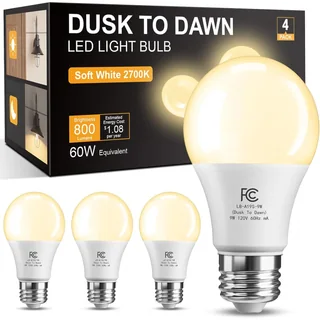
$8.98from · $2.50 per bulb
These bulbs do one extra job. Two turn on at dusk by themselves. One lives in the fridge. One runs on a battery. Two give colored light from a plain switch.
All use the standard E26 base.
It lights at dusk and goes dark at dawn: 800 lumens from 9 watts. From $8.98.
It runs 8 to 10 hours on its battery. From $19.99.
550 lumens from 5 watts, built for the cold. From $6.99.
$8.98from · $2.50 per bulb
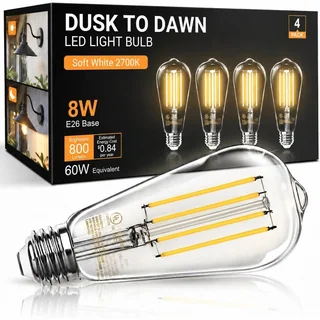
$16.99from · $5.46 per bulb
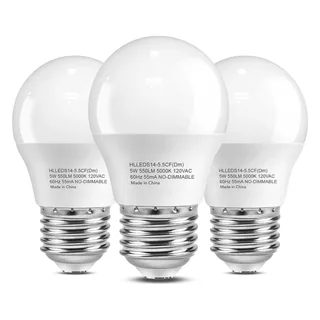
$6.99from · $3.50 per bulb
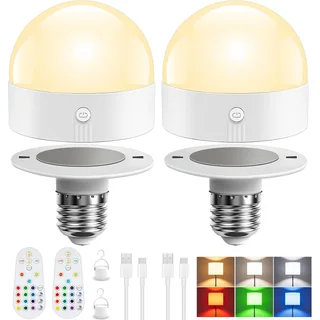
$19.99from · $9.99 per bulb
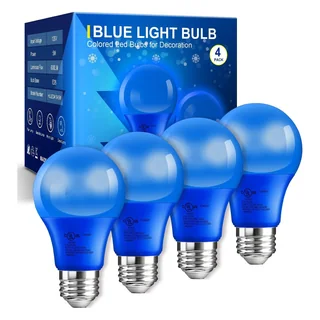
$11.99from · $3.00 per bulb
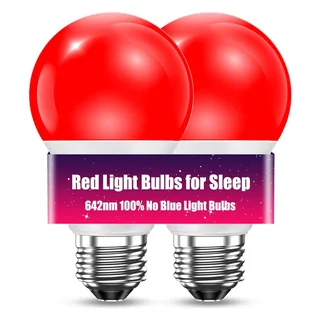
$14.99from · $3.75 per bulb
A 9-watt bulb lit from dusk to dawn costs about $4.34 a year. Left on all day it costs about $8.67.
| TJOY dusk-to-dawn bulb | Plain bulb left on | Plain bulb on a timer switch | |
|---|---|---|---|
| Hours lit per day | About 12, from dusk to dawn | 24 | The hours you set |
| Yearly cost at 9 watts | About $4.34 | About $8.67 | About $4.34 at 12 hours |
| Follows the seasons | Yes | Stays on all day | No: reset it as the days change |
| Better choice when | You want no setup and a fixture that lets daylight in | The light must stay on in daytime, as in a windowless hall | The fixture is opaque metal and would blind a sensor |
Cost is our arithmetic at 11 cents per kWh, the rate used on the FTC Lighting Facts label. Sources: FTC: Lighting Facts label, questions and answers, read 3 October 2026.
They work in fixtures that let daylight reach the bulb. In an opaque fixture the sensor reads dark all day and the 9-watt bulb stays on.
No. A motion fixture cuts the power between triggers, and the bulb needs steady power to run its own sensor. Use 1 control, not 2.